What Is an Ounce?

What Is an Ounce?
An ounce (oz) is a small unit of weight in the US customary system, equal to 1/16 of a pound or about 28.35 grams. It’s the standard unit for lighter items — food portions, small packages, and precious metals. For a general reference, see the Wikipedia entry on ounce.
How Big Is an Ounce?

An ounce is light — about the weight of a slice of bread, a pencil, or a small handful of nuts. It’s small enough that a kitchen scale is usually needed to measure it precisely.
| Object | Approx. Weight |
|---|---|
| Slice of bread | ~1 oz |
| Pencil | ~0.5 oz |
| AA battery | ~0.85 oz |
| Small handful of almonds (~23) | 1 oz |
Three Different Kinds of Ounce
One of the most confusing things about the ounce is that the name covers three genuinely different measurements:
- Avoirdupois ounce — the standard, everyday weight unit (1/16 of a pound), used for food and general items. This is the one meant in almost all everyday contexts.
- Troy ounce — used specifically for precious metals like gold and silver, and heavier than a standard ounce at about 31.1 grams.
- Fluid ounce — a unit of volume, not weight, used for liquids. Confusingly, a fluid ounce of water weighs close to a regular ounce, which is exactly where much of the confusion between the two originates.
Ounces Compared to Other Units

- 16 oz = 1 pound — see our full pounds vs. ounces comparison.
- 1 oz ≈ 28.35 grams — see our guide to the gram for the metric comparison.
- 1 troy oz ≈ 31.1 grams — heavier than a standard avoirdupois ounce, used for gold and silver.
Common Ounce Conversions
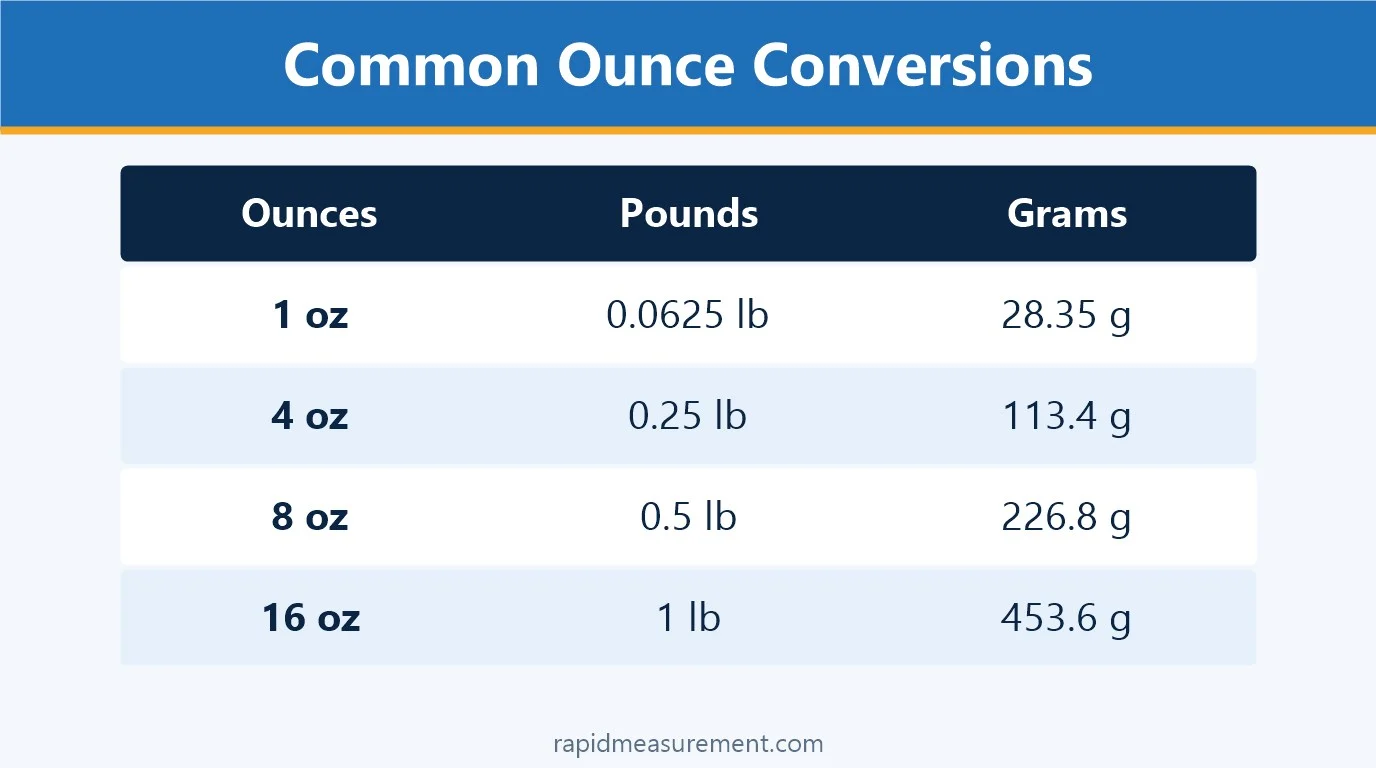
| Ounces | Pounds | Grams |
|---|---|---|
| 1 oz | 0.0625 lb | 28.35 g |
| 4 oz | 0.25 lb | 113.4 g |
| 8 oz | 0.5 lb | 226.8 g |
| 16 oz | 1 lb | 453.6 g |
Ounces in Everyday Use
- Cooking: Meat, cheese, and small ingredient portions in US recipes are commonly given in ounces.
- Shipping: Small, light packages are priced by the ounce before crossing into pound-based rate brackets.
- Newborn weight: Babies are described in pounds and ounces together, like “7 lb 6 oz.”
- Precious metals: Gold and silver prices are quoted per troy ounce worldwide, even in metric countries.
Ounces in Specific Fields
- Precious metals trading: Gold, silver, platinum, and palladium prices are all quoted per troy ounce globally, regardless of a country’s usual measurement system.
- Coffee and tea: Brewing ratios and portion sizes in the US are often specified in fluid ounces (for water) and regular ounces (for beans or leaves).
- Perfume and cosmetics: Bottle sizes are frequently listed in fluid ounces on US packaging.
- Cannabis retail: Legal cannabis markets in the US commonly price product by the ounce, a convention carried over from long-standing informal usage.
Why Three Different “Ounces” Exist
The overlap between avoirdupois, troy, and fluid ounces isn’t a coincidence of bad naming — it reflects three separate historical measurement traditions that all happened to use the word “ounce” for a roughly similarly-scaled unit. Troy weight was used specifically for precious metals and coinage since medieval times, avoirdupois weight became the general trade standard for everyday goods, and fluid ounces developed separately as a liquid volume measurement tied to specific container sizes. English simply never invented separate words for each, leaving modern readers to figure out which “ounce” a given context means.
How to Tell Which Ounce Is Meant

Context almost always resolves the ambiguity: a recipe listing “8 oz of flour” means weight (avoirdupois), a recipe listing “8 fl oz of milk” means volume (fluid ounces), and a commodities report listing “$2,000 per ounce of gold” means troy ounces. The one genuinely easy mistake is treating a fluid ounce of a non-water liquid as if it weighed the same as a regular ounce — honey, oil, and syrup all weigh noticeably more or less than their fluid-ounce volume would suggest.
Frequently Asked Questions
What is an ounce?
An ounce is a unit of weight equal to 1/16 of a pound, or about 28.35 grams.
How many ounces are in a pound?
There are exactly 16 ounces in one pound.
Is a fluid ounce the same as a regular ounce?
No. A fluid ounce measures volume, while a regular ounce measures weight — they happen to be close for water but not for other substances.
Why is a troy ounce different from a regular ounce?
Troy ounces are used specifically for precious metals and are heavier (about 31.1 grams) than the standard avoirdupois ounce (about 28.35 grams).
How many grams are in an ounce?
There are approximately 28.35 grams in one standard ounce.
Why does gold get priced in troy ounces instead of regular ounces?
The troy ounce became the historical standard for weighing precious metals centuries ago, and the commodities markets have kept that convention worldwide ever since, regardless of which weight system a country otherwise uses.
How many troy ounces are in a troy pound?
There are 12 troy ounces in a troy pound, unlike the 16 avoirdupois ounces in a standard pound.
Is an ounce of gold heavier than an ounce of sugar?
Yes. An ounce of gold is measured in troy ounces (about 31.1 g), while an ounce of sugar is measured in standard avoirdupois ounces (about 28.35 g) — the gold “ounce” is genuinely the heavier unit.
How many ounces does a slice of cheese weigh?
A standard slice of pre-packaged sandwich cheese weighs close to 1 ounce, making it a handy everyday reference point.
The Ounce’s Odd Position in Global Trade
Despite being a fundamentally imperial unit, the ounce holds a uniquely international role in one specific market: precious metals. Gold and silver prices are quoted in US dollars per troy ounce on exchanges worldwide, including in countries that otherwise use the metric system exclusively for everything else. This makes the troy ounce one of the few imperial-rooted units with genuinely universal, unchallenged global adoption in its specific niche.
Why Recipes Sometimes List Both Weight and Volume Ounces
Well-written American recipes occasionally specify both “8 oz (1 cup) of butter” precisely because the ambiguity between weight and volume ounces has caused enough real cooking mistakes to warrant the extra clarity. This dual-labeling convention is a small but telling admission that even native users of the ounce find the weight-versus-volume distinction genuinely confusing in practice, not just a hypothetical edge case.
The Ounce in Newborn Weight Tracking
Few contexts use the ounce as precisely and consistently as newborn weight tracking, where hospitals and pediatricians record a baby’s weight in pounds and ounces together, then track small week-to-week changes in ounces specifically because a pound-level change would be far too coarse to catch meaningful growth or health issues in the first weeks of life. This is one of the clearest everyday examples of choosing a smaller unit specifically because the situation demands finer precision than the next unit up can offer.
How the Ounce Compares Internationally
Outside the US and a handful of other countries, the ounce has largely been replaced by grams for everyday weight, meaning international recipes, product labels, and medical charts rarely reference it at all except in the specific troy-ounce context of precious metals trading. This makes the ounce something of a measurement outlier — heavily used in one country’s daily life, nearly absent in most others’, yet fully global in one narrow commodities niche.
Is there a dedicated guide to the pound?
Yes — see our full guide to the pound, the ounce’s larger everyday counterpart.
Related Articles
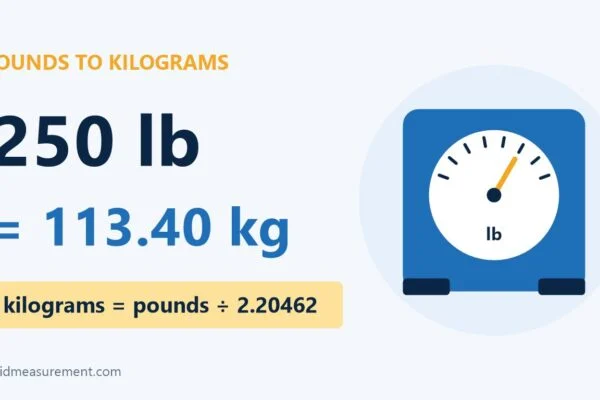
250 Pounds to Kilograms: 250 lb = 113.4 kg
250 pounds equals 113.4 kilograms. See the formula, a 200-300 lb table, chair and gym equipment limits, and a quick way to estimate it.
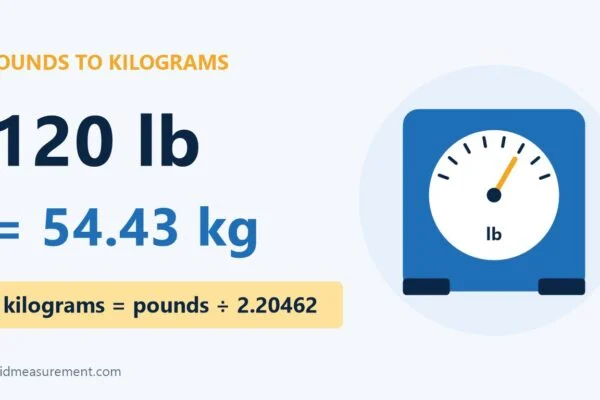
120 Pounds to Kilograms: 120 lb = 54.43 kg
120 pounds equals 54.43 kilograms. Get the lb to kg formula, a 100-140 lb table, body weight and boxing context, and an easy estimate.
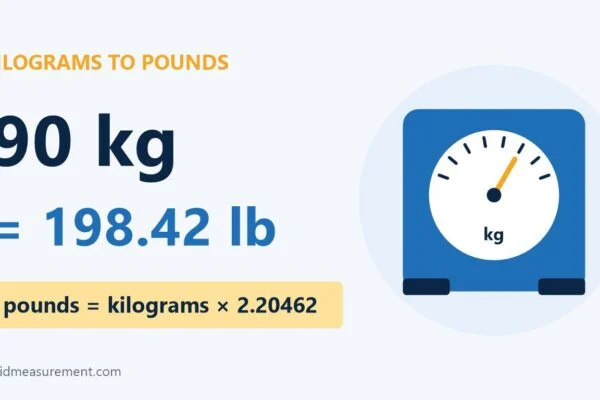
90 Kilograms to Pounds: 90 kg = 198.42 lb
90 kilograms equals 198.42 pounds. See the formula, a 80-100 kg table, how 90 kg compares with 200 lb, and a simple mental shortcut.
20 Kilograms to Pounds: 20 kg = 44.09 lb
20 kilograms equals 44.09 pounds. Get the formula, a 10-30 kg table, airline baggage tips for a 20 kg limit and a quick mental shortcut.