Pounds vs. Ounces: Which Is Heavier?

Pounds vs. Ounces: Which One Is Heavier?
A pound is heavier than an ounce — a lot heavier. One pound equals exactly 16 ounces, which also means one ounce is 1/16th the weight of a pound. Ounces are for small, light amounts; pounds take over once you’re weighing something bigger. For a general reference, see the Wikipedia entry on pounds.
What Is a Pound?
The pound (lb) is the standard unit of weight in the US customary system, used across the United States and, informally, in the UK. One pound equals 453.6 grams, or 0.4536 kilograms.
What Is an Ounce?

An ounce (oz) is a smaller weight unit — there are 16 in every pound. But here’s where it gets tricky: not every “ounce” you see is the same kind.
- Standard (avoirdupois) ounce — the everyday weight unit used for food, mail, and most products. This is the one meant when someone says “16 ounces in a pound.”
- Fluid ounce — a unit of volume, not weight, used for liquids. A fluid ounce of water weighs close to a regular ounce, but that’s a coincidence tied to water’s density, not a fixed rule.
- Troy ounce — used specifically for precious metals like gold and silver, and it’s heavier than a standard ounce (about 31.1 grams vs. 28.35 grams).
Most “how many ounces in a pound” questions are asking about the standard avoirdupois ounce — the 16-per-pound version.
The Core Conversion

1 pound = 16 ounces
Pounds to Ounces Conversion Table
| Pounds | Ounces |
|---|---|
| ¼ lb | 4 oz |
| ½ lb | 8 oz |
| ¾ lb | 12 oz |
| 1 lb | 16 oz |
| 1.5 lb | 24 oz |
| 2 lb | 32 oz |
| 5 lb | 80 oz |
| 10 lb | 160 oz |
How to Convert Pounds to Ounces

Multiply the number of pounds by 16:
Ounces = Pounds × 16
Example: 3 lb × 16 = 48 oz.
How to Convert Ounces to Pounds
Divide the number of ounces by 16:
Pounds = Ounces ÷ 16
Example: 40 oz ÷ 16 = 2.5 lb.
Why the US Uses Pounds and Ounces (and Most of the World Doesn’t)
The pound-ounce system is part of the US customary system, inherited from British imperial units. The word “pound” itself traces back to the Latin libra pondo — “a pound by weight” — which is also why the abbreviation is “lb” instead of “pd.” Most other countries switched to the metric system (kilograms and grams) decades ago, which is why recipes, luggage limits, and product labels can look completely different depending on where they’re from.
Ounces in the Kitchen: Dry vs. Liquid Measuring
Kitchen confusion often comes from using a liquid measuring cup (marked in fluid ounces) for a dry ingredient meant to be weighed in regular ounces, or vice versa. A liquid measuring cup measures volume; a kitchen scale measures weight — and for anything that isn’t water, those two don’t match.
The safest habit: if a recipe gives a weight in ounces for a dry or sticky ingredient (butter, cheese, flour), use a kitchen scale. If it gives a volume in fluid ounces for a liquid, a measuring cup is fine.
Where This Conversion Actually Comes Up
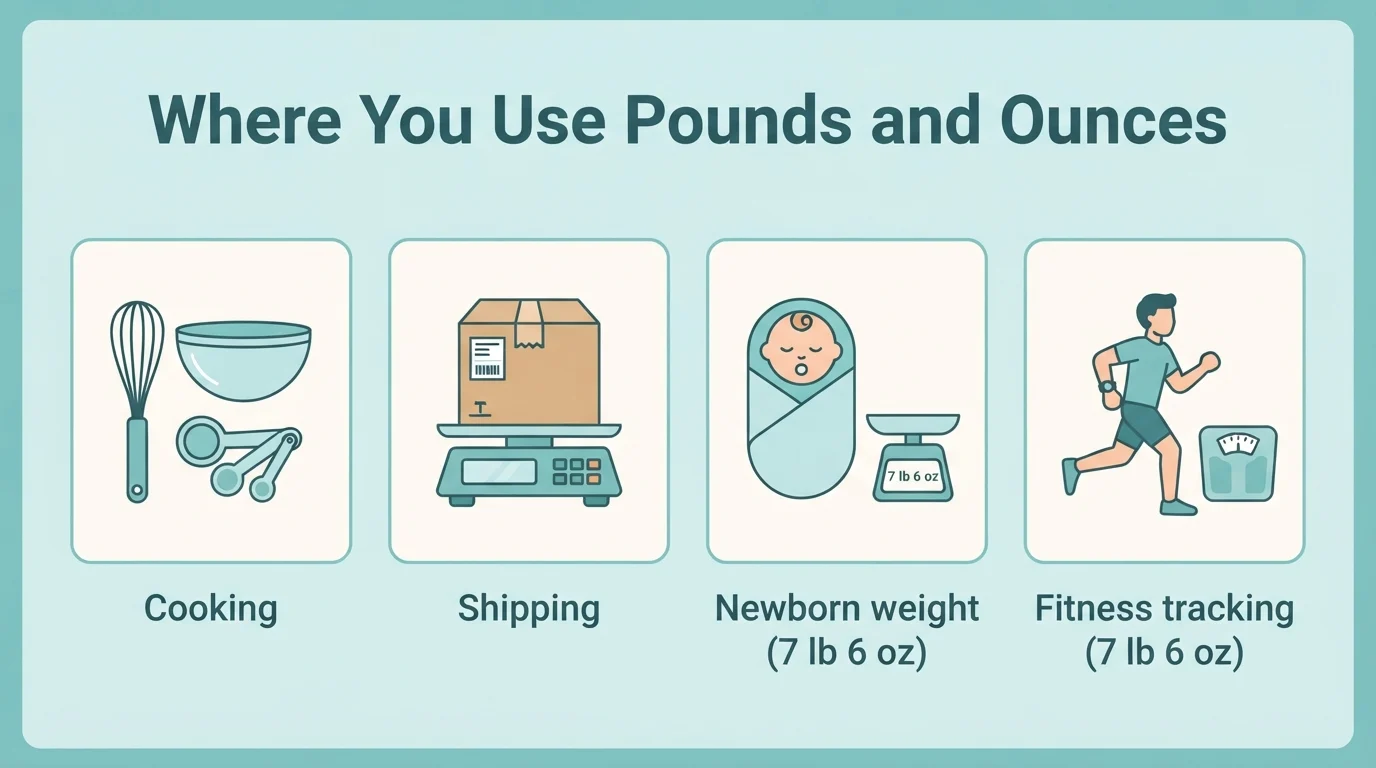
- Cooking: US recipes often list meat, butter, or cheese in ounces, while grocery packaging shows pounds.
- Shipping: Postal rates jump in price brackets once a package crosses from ounces into pounds.
- Newborn weight: Babies are almost always described in pounds and ounces together, like “7 lb 6 oz.”
- Fitness tracking: Small weight changes are easier to track in ounces than in fractions of a pound.
Frequently Asked Questions
How many ounces are in a pound?
There are exactly 16 ounces in one pound.
How many ounces are in half a pound?
Half a pound equals 8 ounces.
How many ounces are in a quarter pound?
A quarter pound equals 4 ounces.
Is a fluid ounce the same as a regular ounce?
No. A fluid ounce measures volume, while a regular (avoirdupois) ounce measures weight. For water, the two happen to be close in value, but that’s not true for other liquids.
Why is a troy ounce different from a regular ounce?
Troy ounces are used for precious metals and are heavier (about 31.1 grams) than the standard avoirdupois ounce (about 28.35 grams) used for everyday items.
Why does the abbreviation for pound look nothing like the word “pound”?
“Lb” comes from the Latin word libra, the Roman unit of weight the modern pound descended from — the English word “pound” came later, but the abbreviation stuck with the original Latin term.
Is there a dedicated guide to the pound?
Yes — see our full guide to the pound.
What about the ounce itself?
See our full guide to the ounce, including the difference between troy, avoirdupois, and fluid ounces.
Related Articles
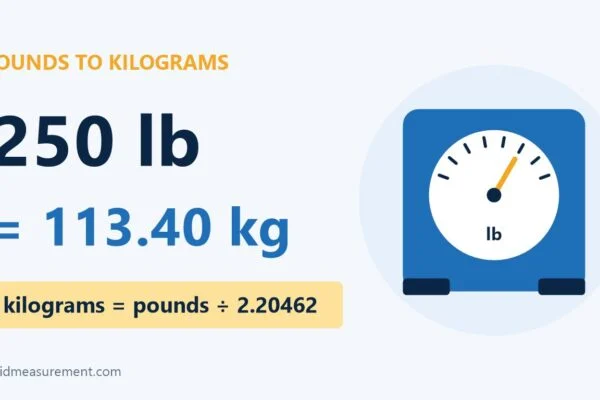
250 Pounds to Kilograms: 250 lb = 113.4 kg
250 pounds equals 113.4 kilograms. See the formula, a 200-300 lb table, chair and gym equipment limits, and a quick way to estimate it.
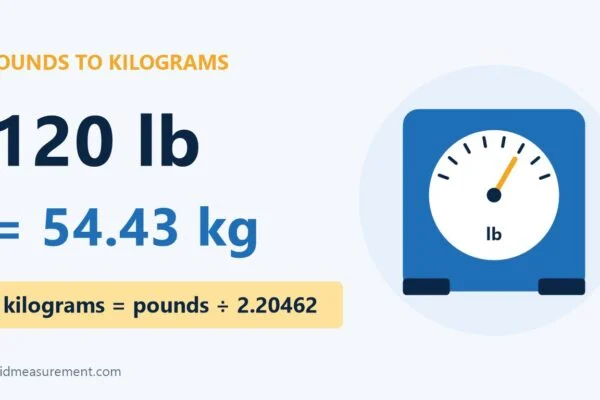
120 Pounds to Kilograms: 120 lb = 54.43 kg
120 pounds equals 54.43 kilograms. Get the lb to kg formula, a 100-140 lb table, body weight and boxing context, and an easy estimate.
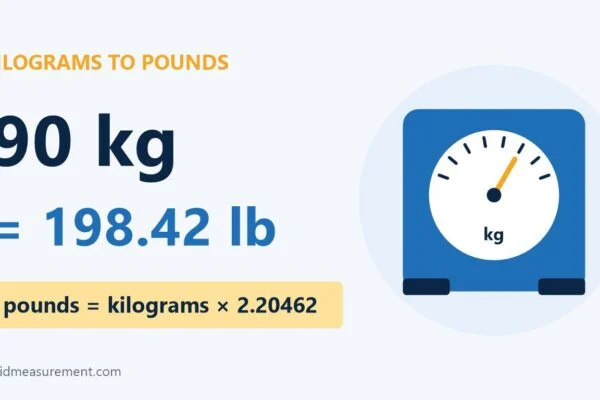
90 Kilograms to Pounds: 90 kg = 198.42 lb
90 kilograms equals 198.42 pounds. See the formula, a 80-100 kg table, how 90 kg compares with 200 lb, and a simple mental shortcut.
20 Kilograms to Pounds: 20 kg = 44.09 lb
20 kilograms equals 44.09 pounds. Get the formula, a 10-30 kg table, airline baggage tips for a 20 kg limit and a quick mental shortcut.