Centimeters vs. Meters: Which Is Bigger? (Full Comparison)
Centimeters vs. Meters: Which Is Bigger?
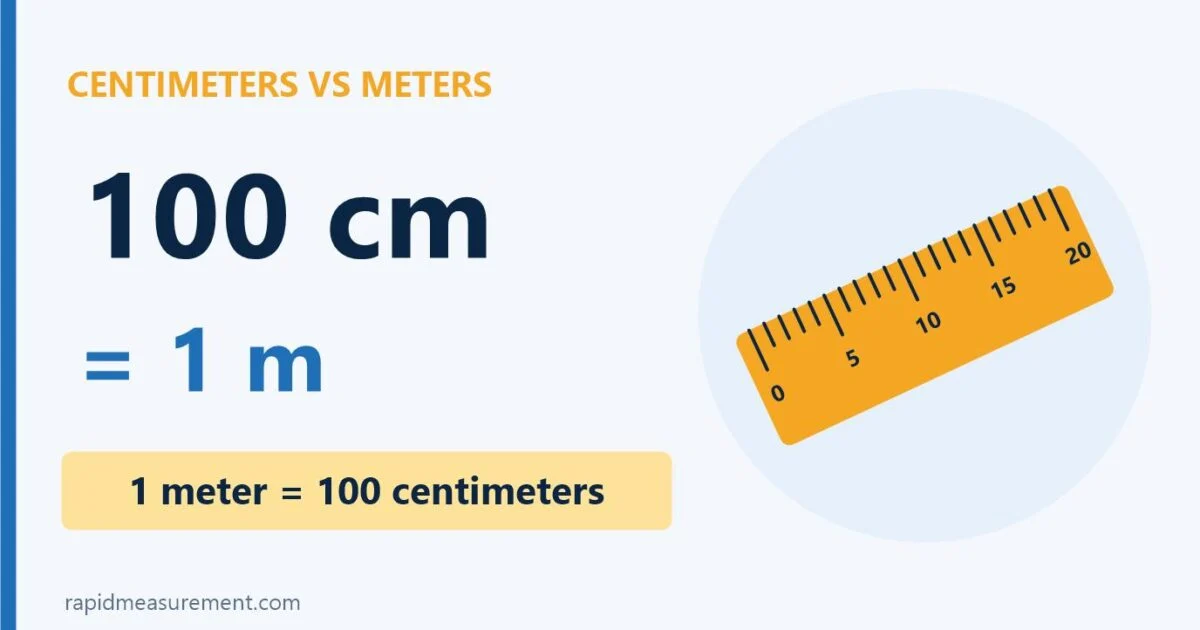
A meter is bigger than a centimeter — 100 times bigger. One meter equals exactly 100 centimeters. If you’re comparing the two, the meter wins every time; a centimeter is the much smaller unit. For a general reference, see the Wikipedia entry on meters.
What Is a Centimeter?
A centimeter (cm) is a small metric length unit, about the width of a shirt button or a pinky fingernail. It’s used for measuring smaller objects — a phone screen, a book, a hand span. Learn more in our full guide to centimeters.
What Is a Meter?
A meter (m) is the base unit of length in the metric system. It’s roughly the height of a kitchen countertop, or a bit longer than a yardstick. Meters are used for measuring rooms, human height, and mid-sized distances.
The Core Conversion

1 meter = 100 centimeters
| Meters | Centimeters |
|---|---|
| 0.5 m | 50 cm |
| 1 m | 100 cm |
| 1.5 m | 150 cm |
| 2 m | 200 cm |
| 5 m | 500 cm |
How to Convert Between Them

To go from meters to centimeters, multiply by 100. To go from centimeters to meters, divide by 100.
2 m × 100 = 200 cm | 250 cm ÷ 100 = 2.5 m
A Simple Way to Remember It
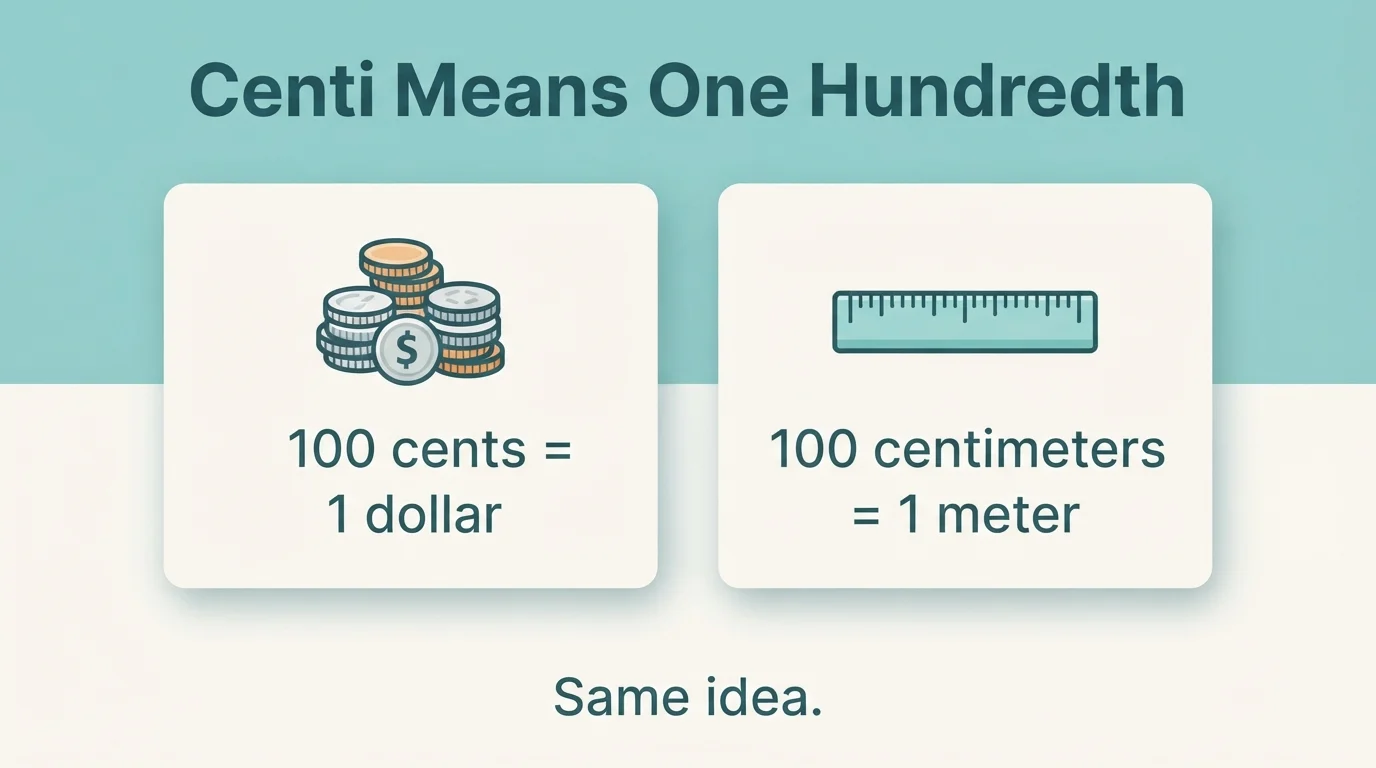
Think of “centi-” the same way you’d think of “cent” in money — one-hundredth of a dollar. A centimeter is one-hundredth of a meter, the exact same relationship. If 100 cents make a dollar, 100 centimeters make a meter. That same “centi-” prefix shows up throughout the metric system with the identical meaning, which is part of why the system is so consistent once you learn a handful of prefixes.
Why People Mix These Up
Both units are metric, so they’re often confused with imperial units by people used to feet and inches. Someone might round “a meter stick” to “about 3 feet” and then wonder how many centimeters that represents — 100, regardless of the imperial comparison.
The other common confusion is scale: a room measured “in centimeters” would need a number in the hundreds (a 3-meter-wide room is 300 cm), which can look intimidatingly large compared to describing it in meters. Neither number is wrong — they’re just different zoom levels on the same measurement.
Common Mistakes When Converting
- Moving the decimal the wrong way — going from meters to centimeters means a bigger number (multiply), not a smaller one.
- Forgetting the unit label — “170” alone is meaningless; “170 cm” and “170 m” describe wildly different lengths (roughly a person’s height vs. more than one and a half football fields).
- Assuming a meter is “about a yard“ — close, but not exact. A yard is 91.44 cm, about 8.5 cm short of a full meter.
- Dropping a zero under pressure — when converting quickly by hand, it’s easy to write 20 cm instead of 200 cm for 2 meters; double-checking the zero count catches this.
Where This Comes Up in Real Life

- Height: Human height is usually given in centimeters (170 cm) rather than meters (1.7 m), even though both are correct.
- Room dimensions: Furniture and floor plans often use centimeters for precision, then convert to meters for the overall room size.
- Fabric and sewing: Small measurements (hems, seams) use centimeters; fabric bolts are sold by the meter.
- Sports: Track events use meters (100 m sprint), while equipment specs (like a bat’s grip) use centimeters.
- Construction: Blueprints often mix both — overall building dimensions in meters, fine detail work in centimeters or millimeters.
Frequently Asked Questions
Is a meter bigger than a centimeter?
Yes. A meter is 100 times bigger than a centimeter.
How many centimeters are in a meter?
There are exactly 100 centimeters in one meter.
Is a centimeter bigger than a meter?
No. A centimeter is much smaller — you’d need 100 of them to equal one meter.
How many centimeters are in a meter stick?
A standard meter stick is exactly 100 centimeters long, by definition.
Which is longer, a centimeter or a meter?
A meter is longer. It takes 100 centimeters laid end to end to match the length of one meter.
Is it better to measure a room in centimeters or meters?
Meters are usually more practical for overall room dimensions, while centimeters are better for precise details like furniture placement or trim work.
Is there a dedicated guide to the meter?
Yes — see our full guide to the meter for its history, size, and everyday uses.
Related Articles
1 Meter to Feet: 1 m = 3.28 ft
1 meter equals 3.28 feet, or 3 ft 3.37 in. See the formula, a meters to feet table, meter vs yard and a quick mental shortcut.
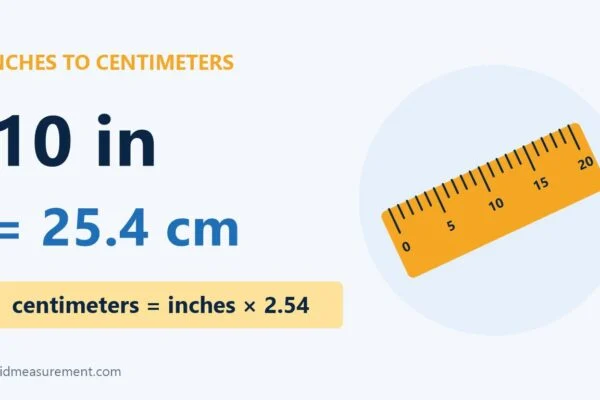
10 Inches to Centimeters: 10 in = 25.4 cm
10 inches equals 25.4 centimeters. Get the formula, a 6-14 inch table, everyday 10 inch objects and a quick mental method.

170 cm to Feet and Inches: 5 ft 6.9 in
170 centimeters equals 5 feet 6.9 inches. See the cm to feet formula, a 160-185 cm height chart and an easy 5-foot anchor trick.
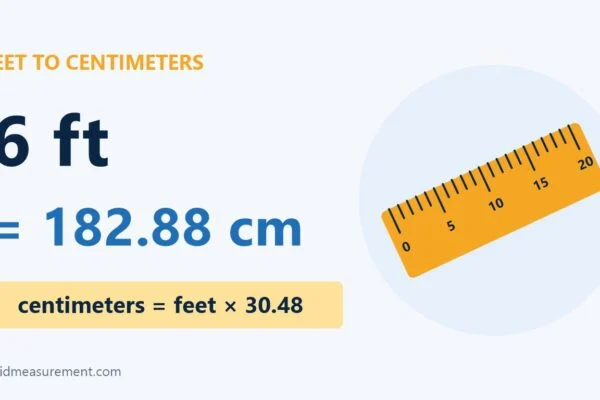
6 Feet to Centimeters: 6 ft = 182.88 cm
6 feet equals 182.88 centimeters. Get the formula, a 6 ft 0 in to 6 ft 5 in height chart in cm and a simple way to convert feet and inches.