Inches to Feet Converter
1 foot = 12 inches · 1 inch = 1/12 foot
Length & DistanceHow to Use This Tool
Divide inches by 12 to get feet. There are exactly 12 inches in one foot. This relationship has been fixed since the imperial system standardized the foot centuries ago, and it has not changed since. Every result on this page uses that exact ratio.
Inches to feet quick reference
| Inches | Feet | Feet + inches |
|---|---|---|
| 1 in | 0.0833 ft | 0 ft 1 in |
| 3 in | 0.25 ft | 0 ft 3 in |
| 6 in | 0.5 ft | 0 ft 6 in |
| 12 in | 1 ft | 1 ft 0 in |
| 18 in | 1.5 ft | 1 ft 6 in |
| 24 in | 2 ft | 2 ft 0 in |
| 30 in | 2.5 ft | 2 ft 6 in |
| 36 in | 3 ft | 3 ft 0 in |
| 48 in | 4 ft | 4 ft 0 in |
| 60 in | 5 ft | 5 ft 0 in |
| 66 in | 5.5 ft | 5 ft 6 in |
| 72 in | 6 ft | 6 ft 0 in |
| 78 in | 6.5 ft | 6 ft 6 in |
| 84 in | 7 ft | 7 ft 0 in |
| 96 in | 8 ft | 8 ft 0 in |
| 108 in | 9 ft | 9 ft 0 in |
| 120 in | 10 ft | 10 ft 0 in |
If your value is not listed, type it into the converter above or divide by 12.
How to convert inches to feet
The formula
feet = inches / 12
To express the result as feet and remaining inches, divide by 12 and keep the remainder. The quotient is the whole feet, and the remainder is the leftover inches.
Example 1: Height
A person measured at 67 inches:
67 / 12 = 5 remainder 7
That is 5 feet 7 inches, or 5.583 feet as a decimal.
Example 2: TV screen
A 55-inch TV diagonal in feet:
55 / 12 = 4.583 ft
Or 4 feet 7 inches.
Example 3: Lumber
A board measured at 96 inches:
96 / 12 = 8 ft exactly.
This is a standard 8-foot board.
Example 4: Room dimension
A room measured at 186 inches long:
186 / 12 = 15.5 ft
That is 15 feet 6 inches.
When you need inches to feet
Real estate and construction
Blueprints and architectural drawings often list dimensions in inches, while real estate listings use feet. A room described as 144 by 168 inches makes more sense to buyers as 12 by 14 feet. Contractors measure in inches for precision but communicate in feet when talking to clients.
Height and medical records
Growth charts at pediatric offices track height in inches. Parents usually want to know feet and inches. A child measured at 52 inches is 4 feet 4 inches. Medical forms in the US ask for height in feet and inches, not total inches, so converting is a routine step at every checkup.
Furniture and interior design
Product listings for shelves, desks, and bed frames sometimes give dimensions in inches only. A bookshelf listed as 72 inches tall is 6 feet, which tells you immediately whether it will fit under a standard 8-foot ceiling with room to spare. Couches described as 84 inches wide are 7 feet, useful when planning a living room layout.
Fabric and crafts
Sewing patterns list measurements in inches. When buying fabric by the yard (3 feet), knowing that 45 inches of width equals 3 feet 9 inches helps you figure out how much material you actually need for a project.
Understanding feet and inches notation
The prime symbol (\’) marks feet and the double prime (“) marks inches. So 5\’10” means 5 feet 10 inches. This shorthand appears on driver\’s licenses, medical charts, and building plans across the US.
Decimal feet are different from feet-and-inches. 5.5 feet is 5 feet 6 inches, not 5 feet 5 inches. This trips people up because 0.5 feet equals 6 inches, not 5. The same applies throughout: 5.75 feet is 5 feet 9 inches (0.75 x 12 = 9), and 5.25 feet is 5 feet 3 inches.
Common measurements in inches and feet
| Object | Inches | Feet |
|---|---|---|
| Standard interior door height | 80 in | 6 ft 8 in |
| Bathtub length | 60 in | 5 ft |
| Kitchen counter height | 36 in | 3 ft |
| Standard ceiling height | 96 in | 8 ft |
| Twin bed length | 75 in | 6 ft 3 in |
| King bed width | 76 in | 6 ft 4 in |
| Parking space width | 108 in | 9 ft |
| Garage door height | 84 in | 7 ft |
Tips for accurate conversions
- Always divide by 12, not 10. It sounds obvious, but in a rush people default to base-10 math. 60 inches is 5 feet, not 6.
- When converting decimal feet back to inches, multiply only the decimal part by 12. For 7.25 feet: 0.25 x 12 = 3 inches, so 7.25 ft = 7 ft 3 in.
- Feet to inches goes the other way: multiply by 12. If someone tells you a room is 14 feet long, that is 168 inches.
- Watch for rounding. 1 inch is 0.0833… feet (repeating). If you need precision, keep at least four decimal places or work in fractions: 1 inch = 1/12 foot exactly.
Frequently asked questions
How many inches are in a foot?
There are exactly 12 inches in one foot. This has been the standard in both the US customary and imperial systems.
How do I convert inches to feet?
Divide the number of inches by 12. For example, 36 inches / 12 = 3 feet.
What is 5 feet in inches?
5 feet = 60 inches. Multiply feet by 12 to convert to inches.
How do I express 65 inches in feet and inches?
Divide 65 by 12. The result is 5 with a remainder of 5, so 65 inches = 5 feet 5 inches.
Is 5.5 feet the same as 5 feet 5 inches?
No. 5.5 feet is 5 feet 6 inches, because 0.5 feet = 6 inches (0.5 x 12 = 6). This is one of the most common mistakes in height conversions.
What is the difference between feet and inches?
Both are US customary and imperial units of length. One foot equals 12 inches. Feet are used for larger measurements like room dimensions and height, while inches handle smaller, more precise measurements like screen sizes and fastener widths.
How tall is 72 inches in feet?
72 inches = 6 feet exactly. 72 / 12 = 6.
Why are there 12 inches in a foot?
The number 12 likely comes from ancient counting systems based on finger joints (each finger has three joints, and four fingers give 12). Twelve is also divisible by 2, 3, 4, and 6, which made it practical for trade and construction long before calculators existed.
Related conversion tools
- Inches to Centimeters Converter
- Feet to Meters Converter
- Inches to Millimeters Converter
- Millimeters to Inches Converter
- General Length Converter
Measurement guides
Formula & Explanation
The inch-to-foot conversion is exact: 1 foot is defined as exactly 12 inches. To convert inches to feet, divide by 12. To convert feet to inches, multiply by 12.
Frequently Asked Questions
How do I convert inches to feet?
To convert inches to feet, multiply the inches value by 0.0833333. For example, 1 inches = 0.0833333 feet. Our converter above does this calculation instantly as you type.
What is the formula for inches to feet?
The formula is: feet = inches u00d7 0.0833333. This is a linear conversion, meaning the ratio is constant regardless of the value being converted.
Is this inches to feet converter accurate?
Yes. Our converter uses the internationally recognized conversion factor of 1 inches = 0.0833333 feet, which is the standard accepted by NIST and most engineering references. Results are rounded to a sensible precision to avoid floating-point noise.
Can I convert feet back to inches?
Yes. The converter is bidirectional u2014 type in either field and the other updates automatically. To convert feet to inches, divide the feet value by 0.0833333, or simply use the swap button (u21c4) between the two fields.
Why would I need to convert inches to feet?
Common reasons include international travel (different countries use different measurement systems), cooking recipes from other regions, engineering and construction work, scientific calculations, and understanding product specifications listed in unfamiliar units.
Related Articles
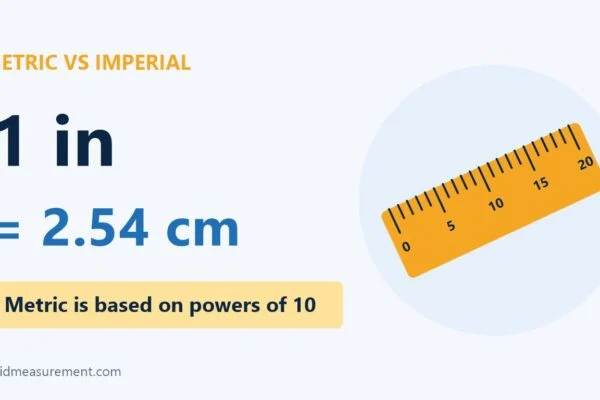
Metric vs. Imperial: What’s the Difference?
Metric vs imperial: how the two systems differ, why the US still uses imperial units, and a quick conversion cheat sheet for length, weight and volume.
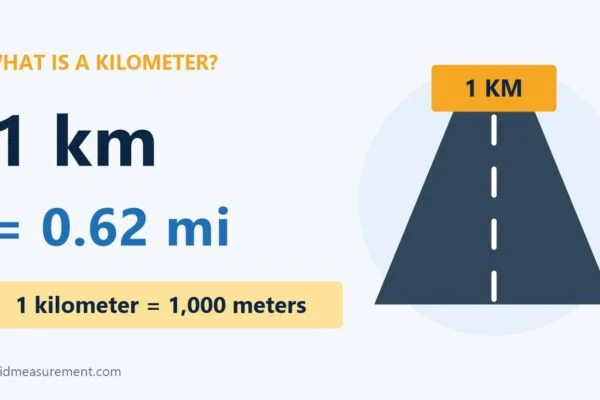
What Is a Kilometer?
A kilometer is 1,000 meters, about 0.62 miles. Learn how big a km is, why most of the world uses it, and common kilometer conversions.
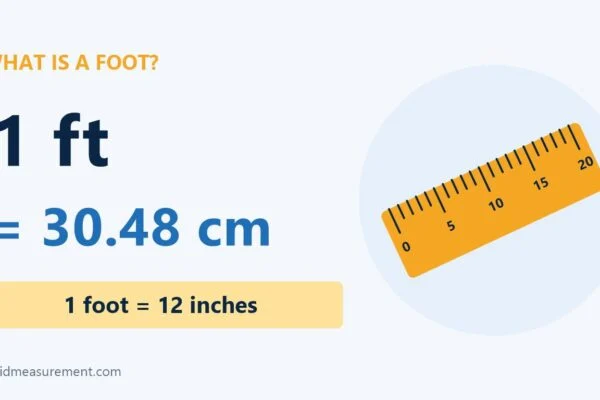
What Is a Foot?
A foot equals 12 inches or 30.48 cm. Learn how big a foot is, its history, why aviation still uses it, and common foot conversions.
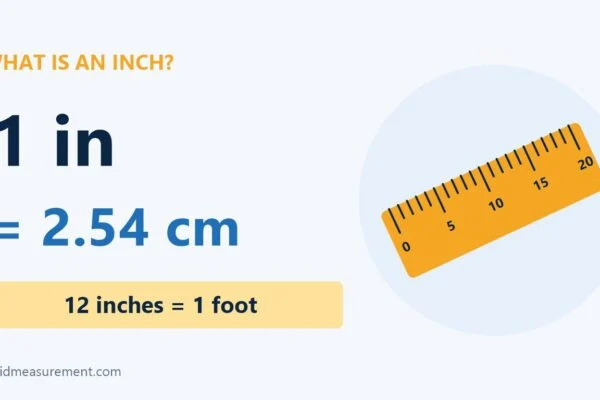
What Is an Inch?
An inch is exactly 2.54 cm, or 1/12 of a foot. Learn how big an inch is, where it came from, and how it converts to cm, feet and yards.