How Big Is 3 Feet? Everyday Things That Size

How Big Is 3 Feet?
3 feet (which is exactly 1 yard, or about 91.4 cm) is roughly the height of a kitchen countertop — a size built into a huge number of everyday objects and standards. For a general reference, see the Wikipedia entry on feet.
Everyday Things That Are About 3 Feet
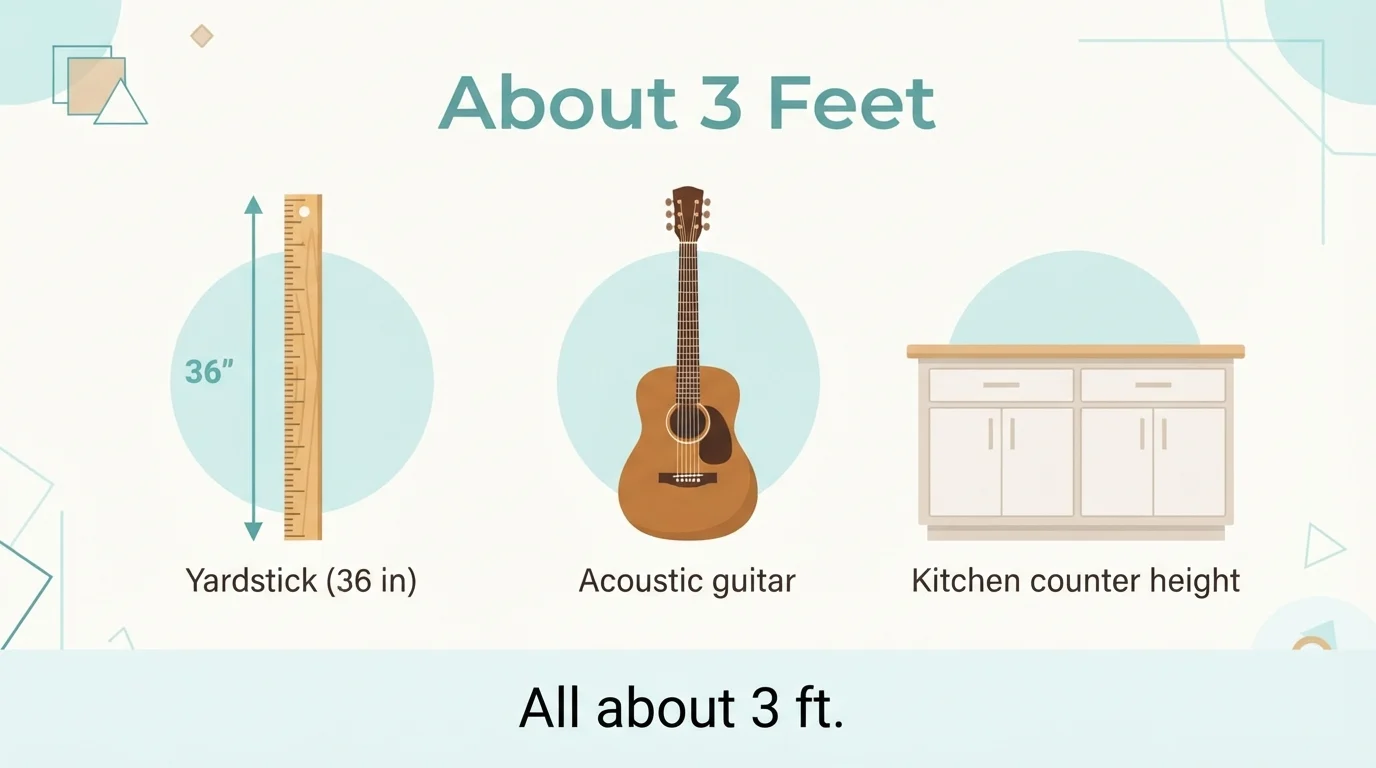
- A kitchen countertop’s height — standard counters are built to about 3 feet (36 inches) high
- A yardstick — by definition, exactly 3 feet long
- A toddler’s height — most 2-3 year olds stand close to 3 feet tall
- A baseball bat — many adult bats measure close to 3 feet (34-36 inches)
- A standard guitar — full-size acoustic guitars measure close to 3 feet long
- A doorknob’s height from the floor — commonly installed around 3 feet up
- A large dog standing on hind legs — many medium-to-large breeds reach close to 3 feet this way
Quick Conversion
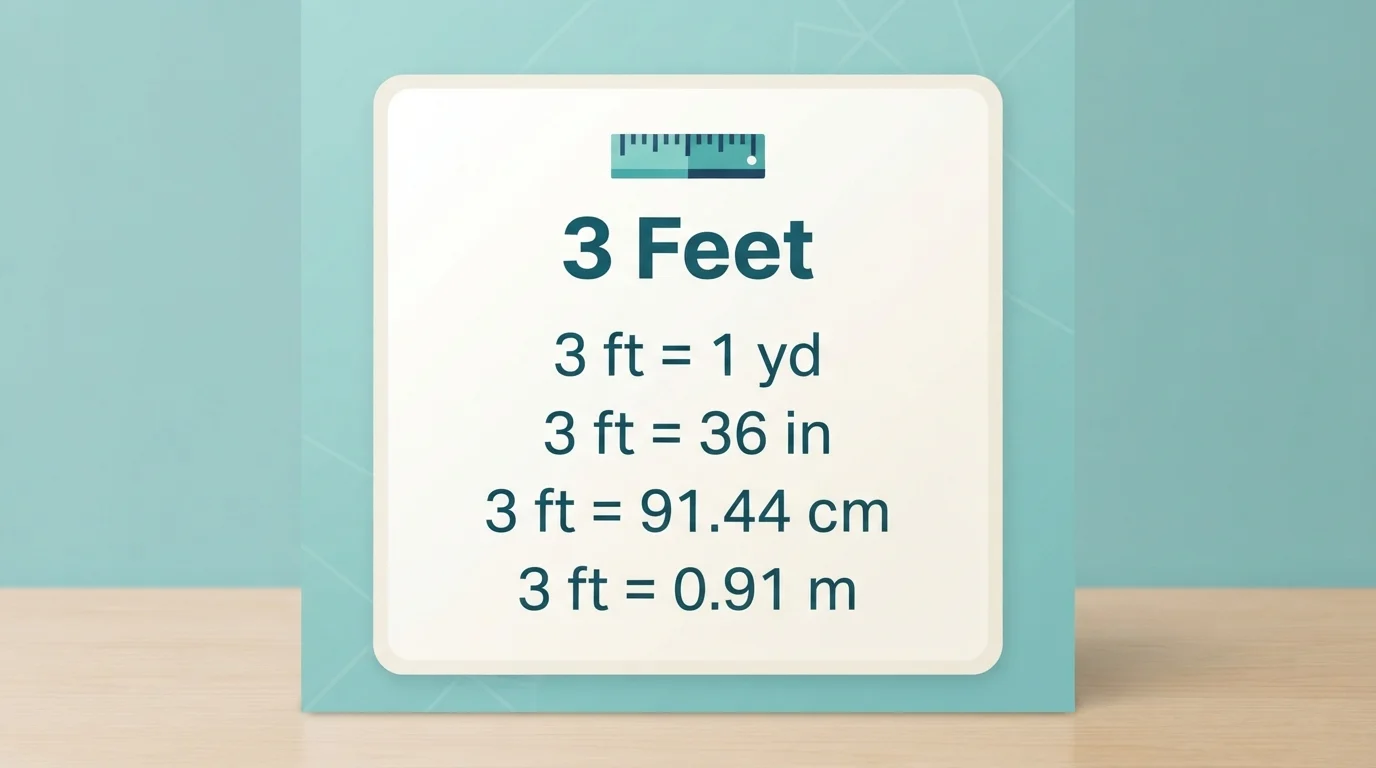
3 feet equals 36 inches, exactly 1 yard, or about 91.44 centimeters.
Why 3 Feet Is Such a Common Building Standard
Countertop heights, doorknob placement, and railing heights all commonly land near 3 feet because it roughly matches a comfortable working height for an average-height adult standing upright — this ergonomic sweet spot is why the measurement shows up in so many unrelated household standards rather than by coincidence.
How Does 3 Feet Compare to Meters?
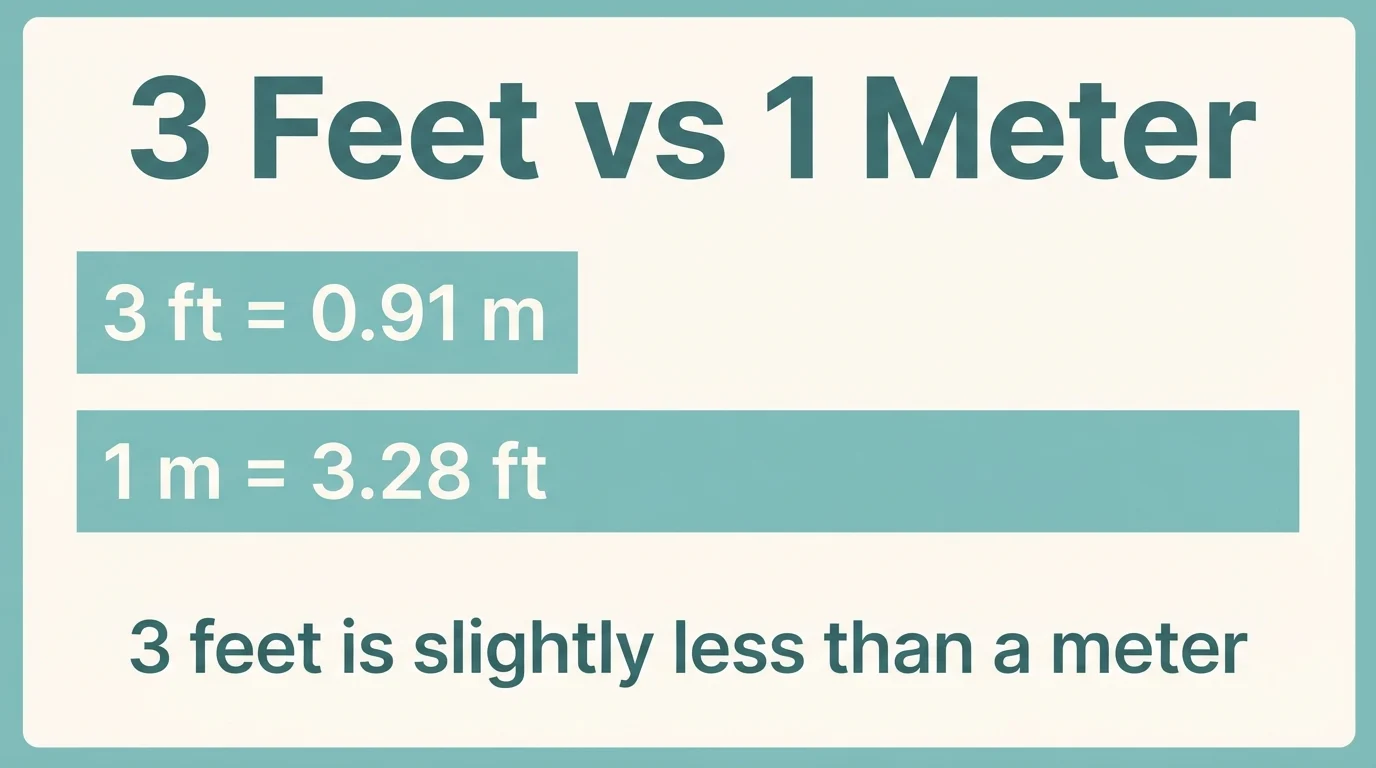
3 feet is just under 1 meter — specifically about 8.5 cm short of a full meter. That small gap is a common source of confusion for anyone converting between the imperial and metric systems, since “a yard” and “a meter” often get used loosely as if they’re the same thing. See our full feet vs. meters comparison for the exact numbers.
3 Feet in Different Contexts
Retailers and regulators lean on this exact measurement constantly: many stores mark 3 feet as a standard aisle width for accessibility, and playground safety guidelines often specify at least 3 feet of clearance around equipment. In gardening, 3 feet is a common spacing recommendation between larger plants and shrubs to give root systems room to spread.
It’s also a frequent benchmark in home improvement — standard interior doors are typically 3 feet (36 inches) wide, which is why “a 3-foot door” is treated as the default size in most hardware store listings unless otherwise specified.
Frequently Asked Questions
How big is 3 feet?
3 feet equals 36 inches, exactly 1 yard, or about 91.44 cm — roughly the height of a kitchen countertop.
What everyday object is 3 feet?
A yardstick, a kitchen countertop’s height, and a full-size guitar are all close to 3 feet.
Is 3 feet the same as 1 yard?
Yes. 3 feet and 1 yard are exactly the same length, just expressed in different units.
How many centimeters is 3 feet?
3 feet equals approximately 91.44 centimeters.
Is 3 feet taller than the average toddler?
About the same. Most toddlers between ages 2 and 3 stand close to 3 feet tall.
How many inches is 3 feet?
3 feet equals exactly 36 inches.
Is 3 feet the same as 1 meter?
Close, but not exact. 3 feet is about 91.44 cm, roughly 8.5 cm short of a full meter — a gap worth knowing for precise work.
How many centimeters is 3 feet, rounded?
Rounded, 3 feet is about 91 centimeters — just shy of a full meter by roughly 9 centimeters.
Why 3 Feet Became a Human-Scale Standard
Long before the yard was formally standardized, “about 3 feet” already matched a range of comfortable, waist-to-chest heights for an average adult — which is likely why so many independent traditions converged on roughly this length for countertops, workbenches, and railings well before anyone agreed on an exact legal definition. Once the yard was formalized at precisely 3 feet, it simply confirmed a measurement that practical experience had already been circling for centuries.
That same logic explains why 3 feet shows up so often in safety codes: guardrail heights, minimum clearance widths, and playground equipment spacing are frequently set at or near 3 feet because it matches the point where an average adult’s balance and reach naturally provide a margin of safety — not an arbitrary number chosen for its own sake.
Is there a dedicated guide to the foot?
Yes — see our full guide to the foot.
What about the yard?
Since 3 feet equals 1 yard exactly, see our full guide to the yard as well.
Related Articles
1 Meter to Feet: 1 m = 3.28 ft
1 meter equals 3.28 feet, or 3 ft 3.37 in. See the formula, a meters to feet table, meter vs yard and a quick mental shortcut.
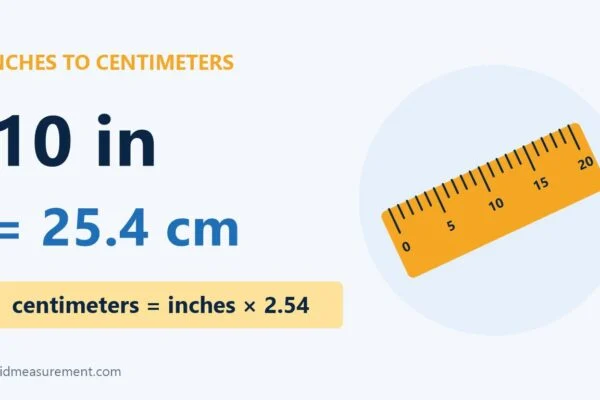
10 Inches to Centimeters: 10 in = 25.4 cm
10 inches equals 25.4 centimeters. Get the formula, a 6-14 inch table, everyday 10 inch objects and a quick mental method.

170 cm to Feet and Inches: 5 ft 6.9 in
170 centimeters equals 5 feet 6.9 inches. See the cm to feet formula, a 160-185 cm height chart and an easy 5-foot anchor trick.
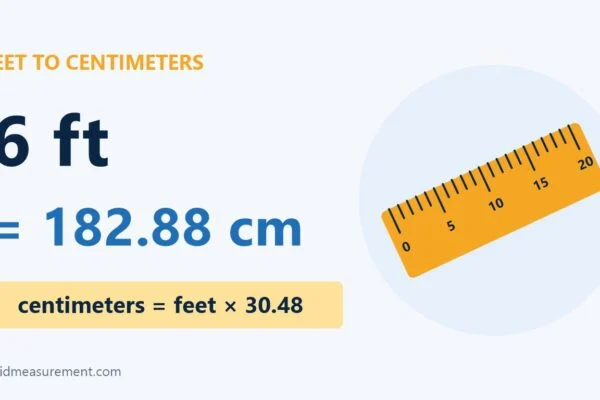
6 Feet to Centimeters: 6 ft = 182.88 cm
6 feet equals 182.88 centimeters. Get the formula, a 6 ft 0 in to 6 ft 5 in height chart in cm and a simple way to convert feet and inches.