Miles to Kilometers Converter
1 mile = 1.60934 kilometers · 1 km = 0.621371 miles
Length & DistanceHow to Use This Tool
Multiply miles by 1.609344 to get kilometers. That factor is exact by international agreement. One mile equals precisely 1.609344 km, derived from the definition of the yard as 0.9144 meters. Every result on this page uses that exact value.
Miles to kilometers quick reference
| Miles | Kilometers |
|---|---|
| 0.25 mi | 0.402 km |
| 0.5 mi | 0.805 km |
| 1 mi | 1.609 km |
| 2 mi | 3.219 km |
| 3 mi | 4.828 km |
| 5 mi | 8.047 km |
| 10 mi | 16.093 km |
| 15 mi | 24.140 km |
| 20 mi | 32.187 km |
| 25 mi | 40.234 km |
| 30 mi | 48.280 km |
| 40 mi | 64.374 km |
| 50 mi | 80.467 km |
| 60 mi | 96.561 km |
| 75 mi | 120.701 km |
| 100 mi | 160.934 km |
| 150 mi | 241.402 km |
| 200 mi | 321.869 km |
| 500 mi | 804.672 km |
| 1000 mi | 1609.344 km |
Need a different value? Type it into the converter above or multiply by 1.609344.
How to convert miles to kilometers
The formula
kilometers = miles x 1.609344
For most everyday purposes, multiplying by 1.6 gets you close enough. The full factor adds precision when it matters.
Example 1: Marathon distance
A marathon is 26.2 miles:
26.2 x 1.609344 = 42.165 km
The official marathon distance is 42.195 km, set independently from the mile-based figure.
Example 2: Speed limit
A 65 mph speed limit in kilometers per hour:
65 x 1.609344 = 104.6 km/h
Most Canadian highway limits are 100 or 110 km/h, so 65 mph falls right between them.
Example 3: Road trip
A 350-mile drive from Los Angeles to Las Vegas:
350 x 1.609344 = 563.3 km
Useful when comparing fuel economy figures listed in liters per 100 km.
Example 4: Running pace
A runner doing 7-minute miles wants to know their per-km pace:
7 minutes / 1.609344 = 4.35 minutes per km, or about 4:21 per km.
When you need miles to kilometers
International travel
Road signs in nearly every country outside the US and UK show distances in kilometers. If your rental car in France says the next gas station is 40 km away and you think in miles, dividing by 1.6 tells you it is about 25 miles. Going the other direction, a 200-mile flight in the US is 322 km on a booking site that defaults to metric.
Running and cycling
Race distances mix systems constantly. A 10K is 6.21 miles. A 5-mile race is 8.05 km. Treadmills sold in the US show miles, while Strava and most GPS watches can toggle between the two. Knowing the conversion helps compare paces across different race formats.
Vehicle specifications
US cars report fuel economy in miles per gallon (mpg). Most of the world uses liters per 100 km. To compare, you first need to convert the distance unit. A car rated at 30 mpg consumes about 7.84 liters per 100 km. The mile-to-km conversion is the first step in that calculation.
Science and aviation
Nautical miles (used in aviation and maritime) are different from statute miles. One statute mile = 1.609344 km, while one nautical mile = 1.852 km. Mixing them up causes real navigation errors, so the distinction matters whenever you see “miles” without further context.
Quick mental math tricks
The Fibonacci sequence gives surprisingly good mile-to-km approximations. Consecutive Fibonacci numbers (1, 1, 2, 3, 5, 8, 13, 21, 34, 55, 89…) have a ratio that approaches 1.618, which is close to 1.609. So 5 miles is about 8 km, 8 miles is about 13 km, 13 miles is about 21 km, and so on. The error is under 0.5% for most practical values.
For numbers that are not Fibonacci, multiply by 8 and divide by 5 (which gives 1.6, close to the actual 1.609). For 45 miles: 45 x 8 = 360, then 360 / 5 = 72 km. The precise answer is 72.42 km, so the estimate is off by less than 1%.
Tips for accurate conversions
- Use 1.609, not 1.6, when precision matters. The difference is small per mile but adds up over long distances. At 500 miles, 1.6 gives 800 km while the correct value is 804.7 km.
- Do not confuse statute miles with nautical miles. A nautical mile is 1.852 km, about 15% longer than a statute mile.
- Speed conversions follow the same factor. Just replace “miles” with “miles per hour” and “kilometers” with “kilometers per hour.”
- For km to miles, divide by 1.609344 or multiply by 0.621371. A 100 km trip is 62.1 miles.
Frequently asked questions
How many kilometers is 1 mile?
1 mile = 1.609344 kilometers exactly.
How many miles is 1 kilometer?
1 km = 0.621371 miles. Divide kilometers by 1.609344 to get miles.
Is a mile longer than a kilometer?
Yes. One mile is about 1.6 times longer than one kilometer.
How far is a 5K in miles?
A 5K race is 3.107 miles (5 / 1.609344 = 3.107).
How far is a 10K in miles?
A 10K is 6.214 miles.
What is 100 mph in km/h?
100 mph = 160.934 km/h. Multiply mph by 1.609344 to convert to km/h.
Why does the US use miles?
The US inherited the statute mile from the British imperial system. Congress authorized metric use in 1866 and passed the Metric Conversion Act in 1975, but adoption remained voluntary. Road signs, speed limits, and everyday distances stayed in miles.
What is the difference between a mile and a nautical mile?
A statute mile is 5,280 feet (1.609344 km). A nautical mile is based on the circumference of the Earth and equals 1,852 meters (1.852 km). Nautical miles are used in aviation and maritime navigation; statute miles are used on roads.
Related conversion tools
- Feet to Meters Converter
- Inches to Centimeters Converter
- Inches to Feet Converter
- General Length Converter
Measurement guides
Formula & Explanation
The mile is defined as exactly 1609.344 meters (and therefore 1.609344 km). The commonly used approximation 1.60934 drops the trailing 4 — we use the full-precision value in the calculation.
Frequently Asked Questions
How do I convert miles to kilometers?
To convert miles to kilometers, multiply the miles value by 1.60934. For example, 1 miles = 1.60934 kilometers. Our converter above does this calculation instantly as you type.
What is the formula for miles to kilometers?
The formula is: kilometers = miles u00d7 1.60934. This is a linear conversion, meaning the ratio is constant regardless of the value being converted.
Is this miles to kilometers converter accurate?
Yes. Our converter uses the internationally recognized conversion factor of 1 miles = 1.60934 kilometers, which is the standard accepted by NIST and most engineering references. Results are rounded to a sensible precision to avoid floating-point noise.
Can I convert kilometers back to miles?
Yes. The converter is bidirectional u2014 type in either field and the other updates automatically. To convert kilometers to miles, divide the kilometers value by 1.60934, or simply use the swap button (u21c4) between the two fields.
Why would I need to convert miles to kilometers?
Common reasons include international travel (different countries use different measurement systems), cooking recipes from other regions, engineering and construction work, scientific calculations, and understanding product specifications listed in unfamiliar units.
Related Articles
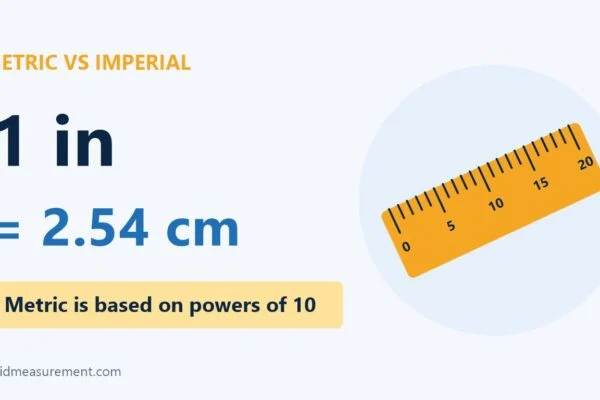
Metric vs. Imperial: What’s the Difference?
Metric vs imperial: how the two systems differ, why the US still uses imperial units, and a quick conversion cheat sheet for length, weight and volume.
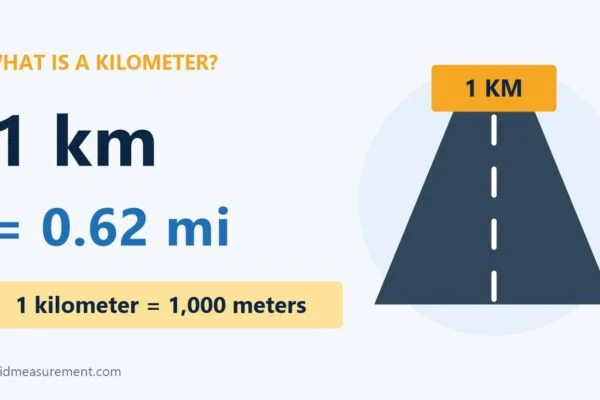
What Is a Kilometer?
A kilometer is 1,000 meters, about 0.62 miles. Learn how big a km is, why most of the world uses it, and common kilometer conversions.
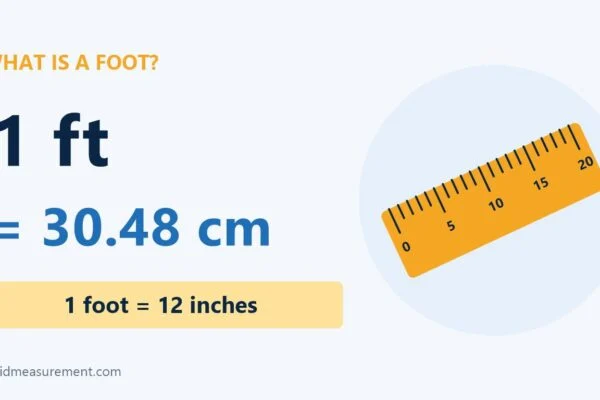
What Is a Foot?
A foot equals 12 inches or 30.48 cm. Learn how big a foot is, its history, why aviation still uses it, and common foot conversions.
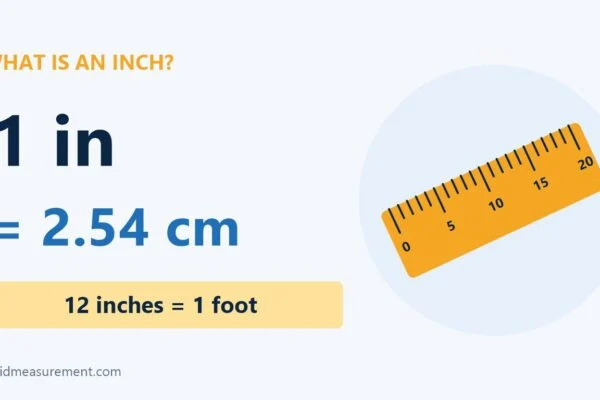
What Is an Inch?
An inch is exactly 2.54 cm, or 1/12 of a foot. Learn how big an inch is, where it came from, and how it converts to cm, feet and yards.